
How to Recognize When an Interaction Takes More Than It Gives
Healthy friendships should bring joy, support, and a sense of safety. If, after meeting or talking with a friend, you consistently feel emotionally drained, irritated, or empty, this is a serious red flag. Pay attention to your internal feelings before a planned meeting: do you feel joyful anticipation, or conversely, a desire to find an excuse to cancel it? Toxic dynamics often manifest in passive aggression, constant critical remarks disguised as "jokes," or the devaluation of your achievements. Another sign is when communication turns into a competition, where the friend constantly tries to prove that their problems are more serious and their successes are greater. If you are afraid to share good news because you expect jealousy or coldness, or if you hide your vulnerabilities fearing judgment, your friendship has lost its core — trust. It is normal to admit that a person who was once your pillar of support has now become a source of stress, and you are not obligated to endure discomfort for the sake of a shared past.
Imbalance in the Relationship: When You Are the Only One Trying
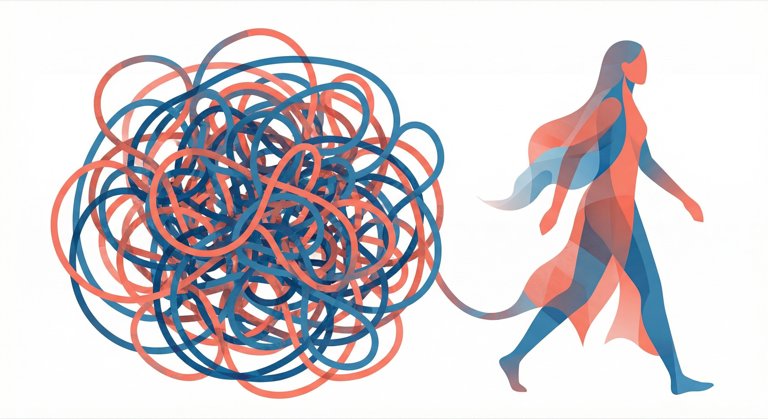
The foundation of any healthy relationship is reciprocity. Of course, there are periods when one friend needs more support due to difficult life circumstances. But if the imbalance becomes chronic, it ruins the friendship. Analyze who initiates contact more often: who texts first, who suggests meeting up, who plans the leisure activities? If you stop texting, will this person remember you in a week or a month? Toxic imbalance also shows up in the format of conversations. Pay attention to whether your friend listens to you with the same attentiveness that you listen to them. Often, one person uses the other purely as a free therapist: they complain about their life for hours, but as soon as you start talking about your problems, the topic instantly changes or the other person loses interest. Relationships in which you feel like a "convenient function" rather than a valued individual have no future and only drain your time and energy, which you could invest in mutually beneficial connections.
Healthy Ways to Distance Yourself From a Person
Ending a friendship rarely requires loud scandals or official breakups. The most peaceful way is gradual distancing, especially if you want to avoid drama and maintain neutral relations for the future. Start by no longer being the first to initiate contact. Increase the time between replying to messages, answer politely but briefly, and without emotional details. If you are invited to meet up, use neutral refusals: "Sorry, I have a very busy week, I won't be able to see you." Gradually, the person will understand that you are no longer available for the depth of interaction that existed before. If the friend directly asks what happened, or begins to manipulate you with guilt, you should use "I-statements." Speak honestly, but without accusations: "I currently feel the need to be alone/focus on myself. It is hard for me to maintain intense communication." It is important not to blame the person for being bad, but to focus on the fact that your paths and needs at this stage have simply diverged.